Why Protein Becomes More Important as You Age
Daihika Medical Team
Daihika Multi Speciality Hospital
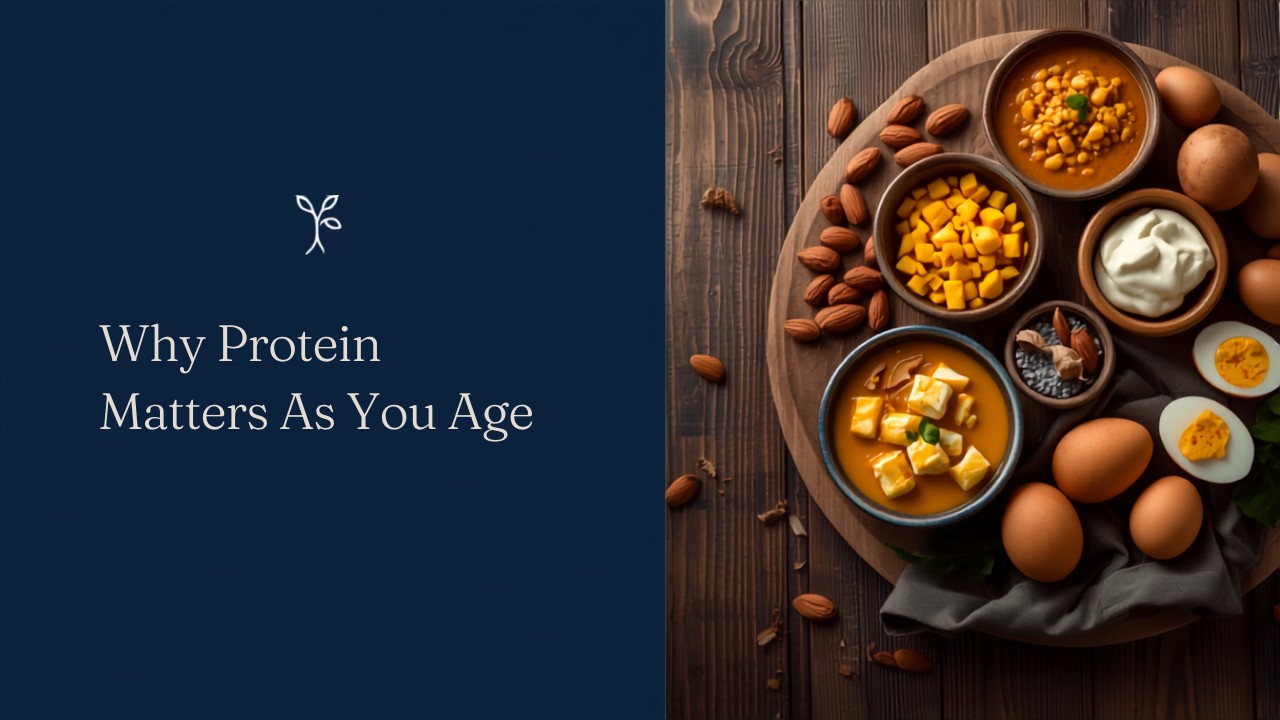
As we get older, our nutritional needs shift — and one of the biggest changes is how much protein our bodies actually need. Many people unknowingly eat less protein as they age, right when their bodies need it the most. Here's why protein deserves more attention on your plate, especially after 40.
Muscle Loss Is a Natural Part of Ageing — But It Can Be Slowed
Starting around the age of 30, the body naturally begins to lose muscle mass, a process called sarcopenia. This loss speeds up after 60 and can lead to reduced strength, slower recovery from illness or injury, and a higher risk of falls. Protein is the primary building block your body uses to maintain and repair muscle — without enough of it, this natural decline speeds up.
Why Older Adults Often Need More Protein, Not Less
Interestingly, as we age, the body becomes less efficient at using protein to build muscle — a phenomenon sometimes called "anabolic resistance." This means older adults often need more protein per meal than younger adults to get the same muscle-building benefit, not less. Yet many elderly diets, especially in India, lean heavily on carbohydrate-rich foods like rice and roti, with protein taking a back seat.
Beyond Muscles: Other Reasons Protein Matters
- Bone health: Protein works alongside calcium and vitamin D to maintain bone density, lowering the risk of fractures.
- Immune function: Antibodies and immune cells are built from protein, so adequate intake supports a stronger immune response.
- Wound healing: Tissue repair after surgery, illness, or injury depends heavily on protein availability.
- Satiety and weight management: Protein helps you feel full longer, which can support healthy weight management in later years.
Signs You May Not Be Getting Enough
- Noticeable muscle weakness or reduced grip strength
- Slower recovery from minor illnesses or wounds
- Unintentional weight loss
- Fatigue or reduced stamina during daily activities
- Hair thinning or brittle nails
Good Protein Sources for Older Adults
Protein doesn't need to come from meat alone. Options well-suited to Indian diets include:
- Dals and legumes (moong, toor, chana)
- Paneer and curd
- Eggs
- Milk and buttermilk
- Fish and lean chicken, for those who eat non-vegetarian food
- Soya chunks and tofu
- Nuts and seeds like almonds and peanuts
Spreading protein intake across all meals — rather than loading up mostly at dinner — helps the body use it more effectively throughout the day.
A Word of Caution
People with kidney disease or certain other conditions may need to manage their protein intake carefully, so it's best to have protein needs assessed individually rather than following generic recommendations.
Ageing Well Starts With the Right Nutrition
Getting enough protein is one of the simplest, most effective ways to protect strength, independence, and overall health as we age. Small, consistent changes to daily meals can make a meaningful difference over time.
Our specialists at Daihika Multispeciality Hospital can assess your nutritional needs and guide you toward a diet plan that supports healthy ageing. Reach out to book a consultation.
Need Expert Medical Advice?
Our specialists are here to help. Book an appointment for personalized care.
Book Appointment