Managing Chronic Pain Through Lifestyle Changes: A Practical Guide
Daihika Medical Team
Daihika Multi Speciality Hospital

Chronic pain — pain persisting beyond three months — affects millions of adults across India. At Daihika Multi Speciality Hospital, our Pain Management specialists understand that relief often begins not in a clinic, but in the choices you make every single day.
Living with chronic pain can feel relentless. It interrupts sleep, limits activity, and affects mood. Yet research consistently shows that targeted lifestyle modifications can meaningfully reduce pain intensity and restore quality of life — often working alongside, or even reducing dependence on, medications.
How Chronic Pain Presents
Chronic pain is not always dramatic. It often shows up quietly, across multiple aspects of life:
- Persistent aching or burning sensations
- Joint or muscle stiffness, especially in the morning
- Fatigue and disrupted sleep patterns
- Difficulty concentrating or brain fog
- Mood changes — anxiety, irritability, or low mood
- Reduced ability to perform daily activities
These symptoms can arise from old injuries, arthritis, nerve damage, spinal conditions, or chronic illnesses such as diabetes. In some cases, no single identifiable cause exists — yet the pain is very real, and very treatable.
Lifestyle Changes That Make a Real Difference
Our pain specialists at Daihika work with patients on a holistic approach. These are the evidence-backed strategies we recommend most.
Gentle, Consistent Movement
Exercise is one of the most powerful tools against chronic pain. It releases endorphins, reduces inflammation, and maintains joint mobility. Walking, swimming, and gentle yoga are excellent starting points. Begin at a comfortable pace — even 10 minutes daily creates momentum. Always consult our specialists before beginning a new routine if your pain is severe or nerve-related.
Anti-Inflammatory Nutrition
What you eat influences how your body manages pain. Prioritise fruits, vegetables, whole grains, and lean protein. Foods rich in omega-3 fatty acids — such as fish, walnuts, and flaxseed — have anti-inflammatory properties. Leafy greens, berries, and turmeric (a staple in Indian cooking) are also worth including. Stay well-hydrated throughout the day.
Protecting Sleep Quality
Pain and poor sleep create a reinforcing cycle — pain disrupts sleep, and inadequate rest amplifies pain sensitivity. Maintain consistent sleep and wake times. Keep your bedroom cool and dark. Limit screen exposure in the hour before bed. If pain is the primary barrier to sleep, raise this with our Pain Management team — targeted interventions can break the cycle effectively.
Stress Reduction and Mental Wellbeing
Chronic stress amplifies pain perception through real physiological mechanisms. Diaphragmatic breathing, meditation, and mindfulness — even five minutes daily — activate the parasympathetic nervous system and reduce pain intensity over time. Social connection matters too: regular time with family and friends has measurable effects on pain tolerance and mood.
Ergonomics and Posture
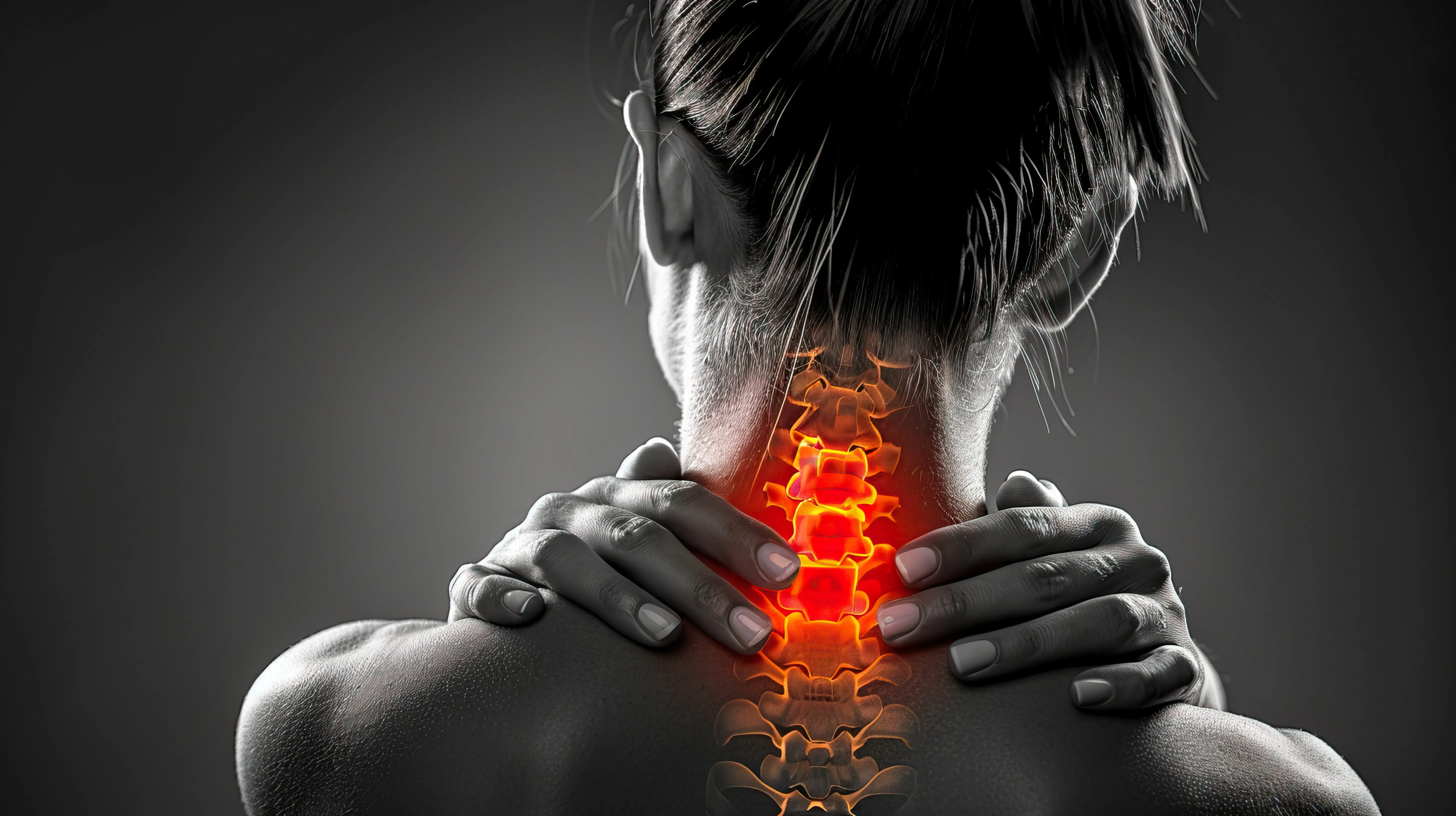
Particularly relevant for back and neck pain — one of the most common presentations we see in Hyderabad's working population. Adjust your workstation so your screen is at eye level and your lower back is supported. When lifting, bend at the knees and keep the load close to your body. Take brief standing breaks every 45-60 minutes if you work at a desk.
Practical Tips for Daily Living
- Break large tasks into smaller steps — pacing prevents pain flare-ups from overexertion
- Use heat packs for muscle stiffness; cold packs for acute inflammation or swelling
- Keep a simple pain diary to identify triggers, patterns, and what brings relief
- Don't hesitate to ask for help — managing pain is not a sign of weakness
- Celebrate small improvements — consistency matters more than speed
Preventing Pain from Worsening
While not every chronic pain condition can be prevented, the following habits significantly reduce the risk of escalation:
- Stay physically active — even gentle movement daily makes a difference
- Follow an anti-inflammatory, balanced diet
- Maintain a healthy body weight to reduce load on joints and the spine
- Prioritise consistent sleep habits
- Manage stress proactively with breathing, mindfulness, or social connection
- Practice good posture — whether sitting at a desk, driving, or carrying bags
When to See a Specialist Promptly
- Pain that is sudden, severe, or qualitatively different from usual
- Pain accompanied by fever, unexplained weight loss, or night sweats
- Numbness, tingling, or weakness in the limbs
- Difficulty walking, maintaining balance, or controlling bladder or bowel function
- Pain that does not respond after several weeks of consistent lifestyle efforts
When Lifestyle Changes Are Not Enough
Lifestyle modifications are a cornerstone of pain management — but they are not always sufficient on their own. At Daihika, our interventional pain physicians offer a range of advanced options for cases where pain persists or is severe:
- Comprehensive pain evaluation and medication optimisation
- Image-guided nerve blocks
- Epidural and selective nerve root injections
- Integrated rehabilitation programmes
- Specialised care for cancer-related and neuropathic pain
Our team is experienced in managing chronic back pain, neck pain, cancer-related pain, and neuropathic pain conditions — combining the precision of interventional techniques with the continuity of ongoing care. Dr. Harsha Vardhan and our team at Daihika provide personalised, evidence-based care for all chronic pain conditions.
Need Expert Medical Advice?
Our specialists are here to help. Book an appointment for personalized care.
Book Appointment