Emergency Care at Daihika Multispeciality Hospital: What to Expect
Daihika Medical Team
Daihika Multi Speciality Hospital
A medical emergency is stressful enough without wondering what happens next. At Daihika Multispeciality Hospital, we want every patient and family member to know exactly what to expect the moment they walk through our doors — so you can focus on your loved one, not the process.
1. Arrival and Registration
The moment you arrive, our team acts fast. If the condition is critical, treatment begins immediately — registration formalities can wait. For less critical cases, our front desk collects basic details (name, contact number, and reason for visit) so our medical team can prepare without delay.
2. Stroke and Heart Attack: Every Minute Counts
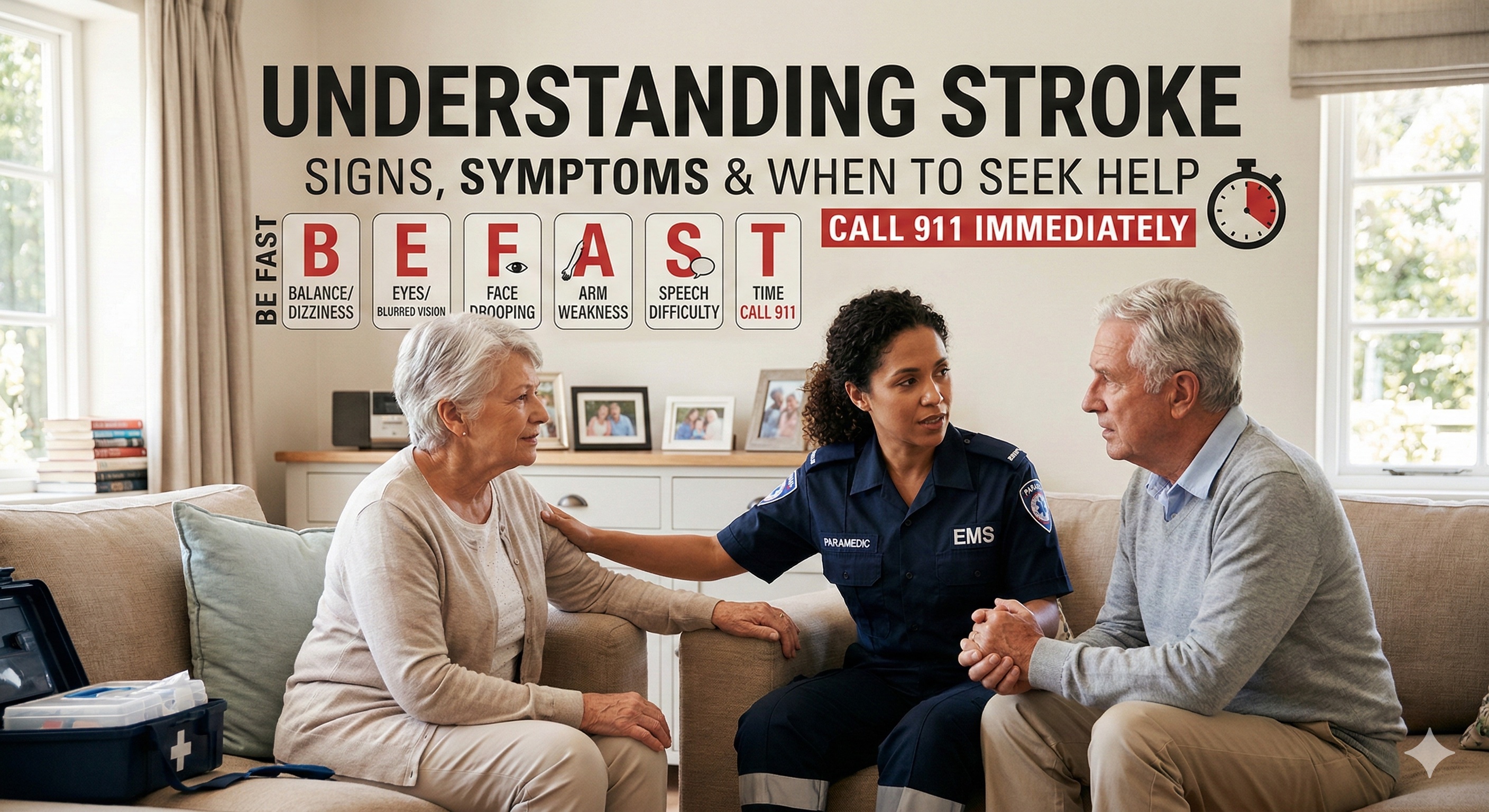
Some emergencies cannot wait even a few minutes. Stroke and heart attack are two of the most time-critical conditions we see, and recognising the signs early can save a life.
- Heart attack warning signs: chest pain or heaviness, pain spreading to the arm, jaw, or back, breathlessness, cold sweats, or sudden fatigue.
- Stroke warning signs (remember FAST): Face drooping, Arm weakness, Speech difficulty, Time to call for help immediately.
If you or someone with you shows any of these signs, come to Daihika immediately or call our emergency line — don't wait to "see if it passes." Our emergency team is trained to act within minutes for cardiac and neurological emergencies, because with these conditions, delay can mean permanent damage.
3. Medical Examination and Diagnosis
Our doctors and specialists examine you right away and, depending on symptoms, may order blood tests, ECG, X-rays, CT, or MRI scans. Daihika's emergency department is equipped with modern diagnostic tools so we can identify the problem quickly and start treatment without losing precious time.
4. Treatment and Next Steps
Once diagnosed, treatment begins immediately — this could mean medication, IV fluids, stitches, or in more serious cases like a heart attack or stroke, emergency procedures and ICU care. Minor injuries or illnesses may be treated and discharged the same day, while serious conditions may require hospital admission for closer monitoring.
5. Discharge or Hospital Admission
If your condition is stable, you'll be discharged with clear instructions on home care, medicines, diet, and follow-up visits. If further monitoring or treatment is needed, we'll admit you and keep your family informed at every step.
6. Support and Aftercare
Recovery doesn't end at discharge. Our team remains available for follow-up queries, and family members can reach out anytime for guidance on post-emergency care, especially for stroke and cardiac patients who need ongoing monitoring.
Why Choose Daihika Multispeciality Hospital for Emergency Care?
- 24/7 availability: Our emergency department is open round the clock, every day of the year.
- Experienced team: Skilled doctors, nurses, and emergency staff trained to handle critical cases, including cardiac and neurological emergencies.
- Advanced facilities: Equipped with modern diagnostic and life-saving equipment for fast, accurate treatment.
- Patient and family-centred care: We keep families informed and involved, understanding how important that reassurance is during a crisis.
Conclusion
A medical emergency can happen to anyone, anytime. Knowing the warning signs of conditions like heart attack and stroke — and knowing help is close by — can make all the difference. At Daihika Multispeciality Hospital, our emergency team is ready round the clock to give you and your family the fastest, most reliable care when it matters most.
Need Expert Medical Advice?
Our specialists are here to help. Book an appointment for personalized care.
Book Appointment